
CERTIFICATION IS EARNED. NOT GIVEN.
WHY BECOME CERTIFIED
PROFESSIONAL RECOGNITION
Demonstrate your competence through certification earned against established professional standards. Certified members can also maintain a professional profile in the I4WDTA directory, helping prospective clients find them and verify their credentials.
INDEPENDENT PEER EVALUATION
Have your knowledge, practical skills, and instructional effectiveness evaluated by experienced professionals.
PROFESSIONAL NETWORK
Connect with experienced trainers and specialists from diverse industries and operating environments.
CONTINUING DEVELOPMENT
Participate in knowledge sharing, technical discussions, and opportunities to advance your professional expertise.
Certification doesn’t make you an expert. It recognizes the expertise you’ve demonstrated.
THIS IS NOT A TRAINING COURSE.
YOU ARE APPLYING TO DEMONSTRATE WHAT YOU ALREADY KNOW.
The I4WDTA Testing for Certification (TFC) is an intensive, week-long evaluation designed for experienced 4WD professionals who already possess substantial technical knowledge, practical driving and recovery skills, and instructional experience.
Candidates are expected to arrive prepared to demonstrate their abilities—not to learn the fundamentals.
Throughout the evaluation, candidates must consistently demonstrate competence in three critical areas:

DRIVING: Vehicle control, terrain assessment, technical driving skills, and sound operational judgment.
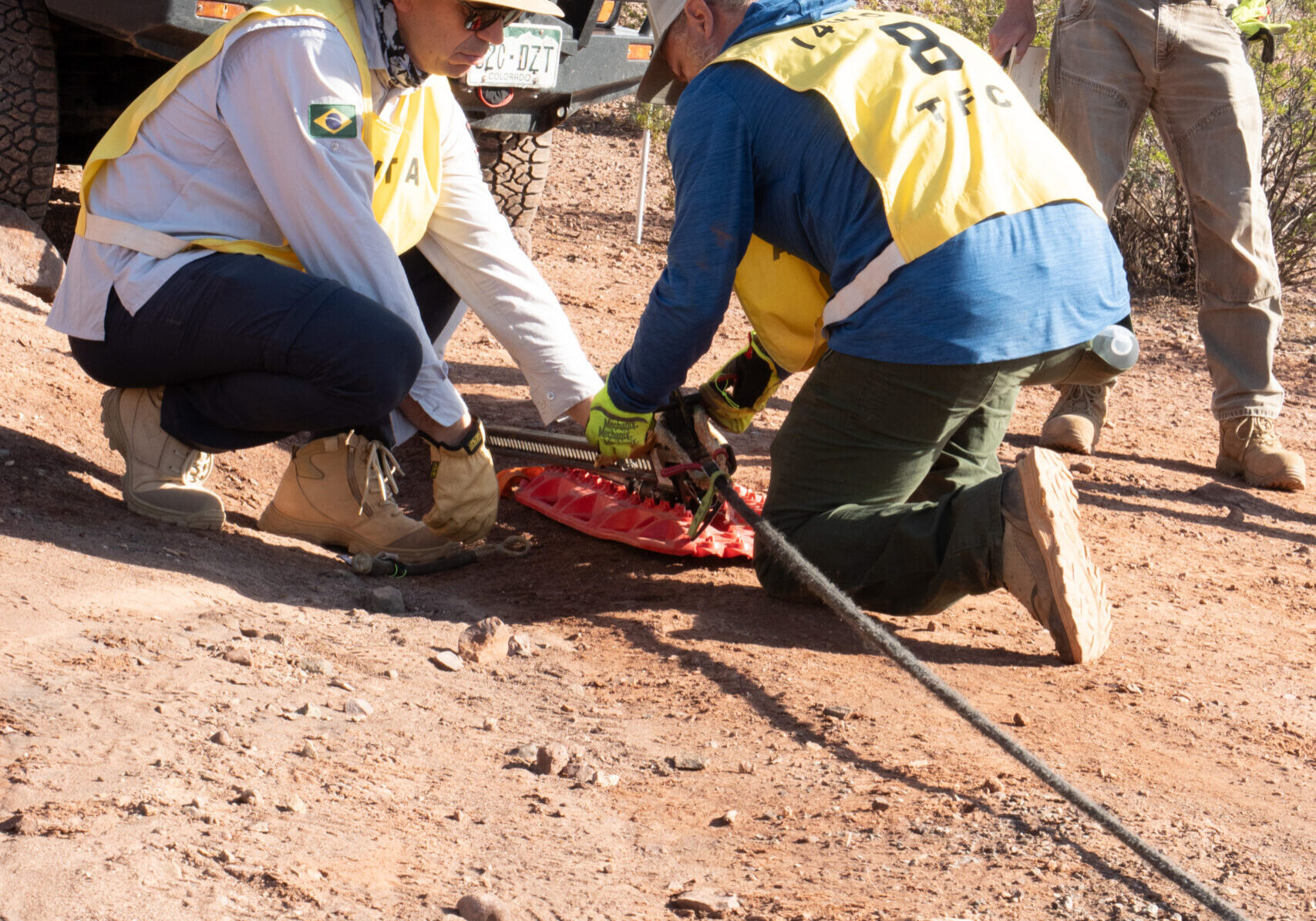
RECOVERY: Recovery principles, equipment knowledge, practical application, risk assessment, and safe execution.
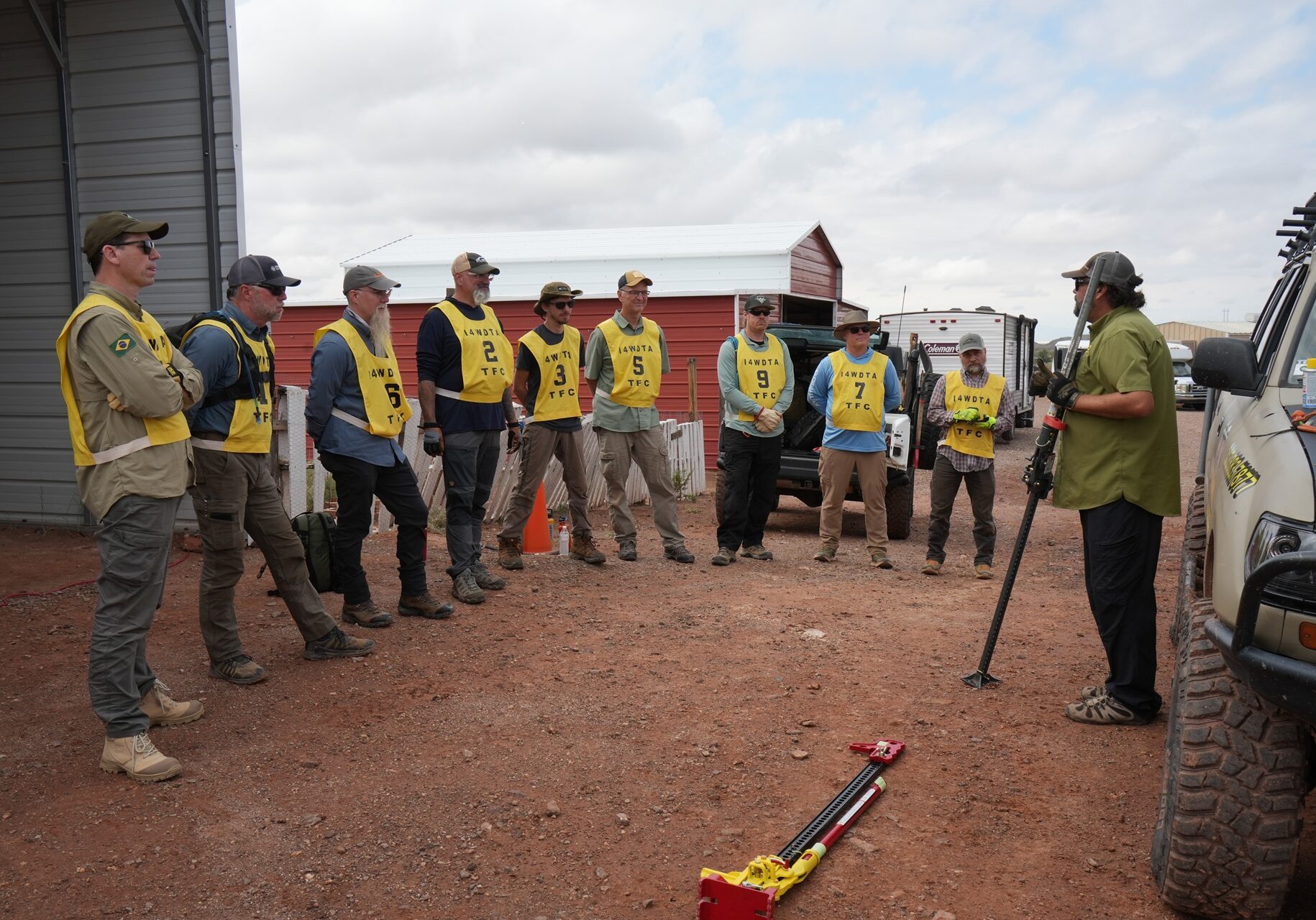
INSTRUCTION: The ability to explain concepts, demonstrate techniques, communicate effectively, and teach others at a professional level.
Technical competence alone is not sufficient. Candidates are also evaluated on professionalism, judgment, adaptability, and their ability to work effectively with others.
Knowing how to perform a skill is one thing. Demonstrating that you can safely and effectively teach it is another.
ARE YOU REALLY READY?
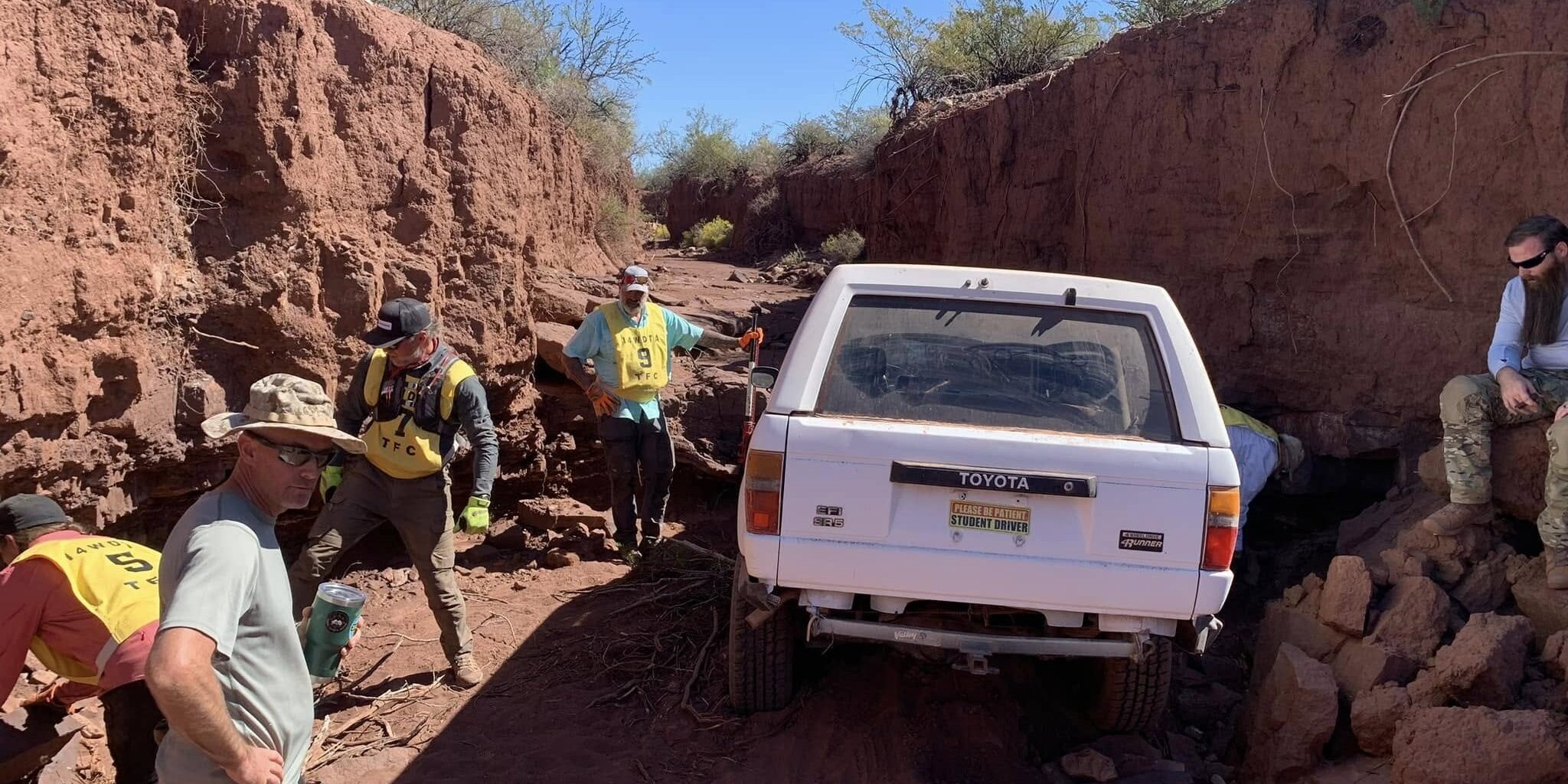
PROFESSIONAL TRAINING DEMANDS MORE THAN TECHNICAL KNOWLEDGE.
The I4WDTA Testing for Certification (TFC) is designed to reflect the real-world demands of professional 4WD instruction. Candidates must demonstrate not only what they know, but also their ability to perform, teach, and make sound decisions in challenging conditions.
Professional 4WD trainers often work long hours outdoors, operate in difficult terrain, handle heavy equipment, manage complex situations, and remain responsible for the safety and learning of others.
The TFC evaluates your ability to meet those demands.
PHYSICAL READINESS: Candidates should arrive prepared for long days of physically demanding field activities, including walking over uneven terrain, lifting and carrying equipment, performing recovery operations, and working in varying environmental conditions. Physical endurance, strength, mobility, and the ability to operate safely while fatigued are important aspects of preparation.
MENTAL READINESS: Physical capability is only part of the challenge. Candidates must demonstrate concentration, problem-solving ability, adaptability, and sound judgment throughout the evaluation. Long days, technical challenges, practical examinations, and continuous evaluation require candidates to remain focused, professional, and effective—even when tired or under pressure.
INSTRUCTIONAL READINESS: Being an experienced driver or recovery specialist does not automatically make someone an effective instructor. Candidates must be able to clearly explain technical concepts, demonstrate procedures, answer questions, assess situations, and communicate effectively with people of varying experience levels. They must also demonstrate professionalism, leadership, and the ability to receive and apply constructive feedback.
BEFORE YOU APPLY, ASK YOURSELF:
- Can I consistently demonstrate advanced 4WD driving and recovery skills without assistance?
- Can I explain the technical principles behind my decisions—not simply describe the steps?
- Can I effectively teach others, demonstrate techniques, and communicate clearly?
- Am I physically prepared for several consecutive days of demanding field activities?
- Can I maintain concentration, sound judgment, and professionalism when physically tired or mentally challenged?
- Can I adapt when conditions change or a planned approach does not work?
- Am I prepared to have my knowledge, skills, and instructional ability critically evaluated by experienced peers?
THE STANDARD IS DEMONSTRATED PERFORMANCE.
The TFC is not designed to teach candidates how to become professional trainers. It is designed to evaluate whether they already possess the knowledge, skills, judgment, and instructional competence expected of an I4WDTA Certified Trainer.
Preparation matters. Experience matters. Performance matters.
THE TEST FOR CERTIFICATION
WHERE EXPERIENCE MEETS EVALUATION
The I4WDTA Testing for Certification (TFC) is an intensive, week-long evaluation conducted by experienced I4WDTA Certified Trainers.
Throughout the week, candidates are challenged through practical exercises, technical assessments, instructional demonstrations, and real-world scenarios designed to evaluate their knowledge, skills, judgment, and professionalism.
Candidates are evaluated against established standards, with multiple opportunities to demonstrate their abilities across different disciplines and conditions.
1. PREPARATION
Candidates arrive with the required experience, technical knowledge, instructional background, equipment, and physical readiness. The TFC is an evaluation, not an introductory training course.
2. PRACTICAL EVALUATION
Throughout the week, candidates demonstrate their abilities in 4WD driving, vehicle recovery, technical knowledge, and instruction. Evaluations include practical exercises, written assessments, and challenging field scenarios.
3. PEER ASSESSMENT
Experienced I4WDTA Certified Trainers evaluate candidates against established standards. Multiple evaluators observe performance, provide feedback, and assess technical competence, instructional effectiveness, judgment, and professionalism.
4. CERTIFICATION DECISION
At the conclusion of the evaluation, candidates receive an outcome based on their demonstrated performance against I4WDTA standards. Certification is earned through performance—not attendance.
POSSIBLE CERTIFICATION OUTCOMES
CERTIFIED
You have successfully demonstrated the knowledge, skills, judgment, and instructional competence required to earn the designation of I4WDTA Certified Trainer.
ON PROBATION
You have demonstrated significant competence but must address identified deficiencies before completing the certification process. Additional evaluation is required.
DID NOT PASS
You have not yet demonstrated the competence required for certification. Further preparation and development are necessary before pursuing another evaluation.
THIS IS THE STANDARD. THIS IS THE BENCHMARK. THIS IS THE I4WDTA TFC.
APPLICATION REQUIREMENTS
ARE YOU QUALIFIED TO APPLY?
I4WDTA certification is intended for experienced 4WD professionals who already possess substantial technical knowledge, practical skills, and instructional experience.
Before applying, carefully review the following requirements. Meeting the eligibility criteria allows you to pursue certification; it does not guarantee success at the Testing for Certification (TFC).
Candidates are expected to arrive prepared to demonstrate their abilities throughout a physically and mentally demanding evaluation.
BASIC ELIGIBILITY & EXPERIENCE
Applicants must meet the following requirements:
- Be at least 21 years old.
- Hold a valid driver’s/operator’s license.
- Possess current First Aid/CPR certification (minimum Red Cross course).
- Have at least three years of verifiable teaching experience.
- Be capable of operating vehicles equipped with manual and automatic transmissions.
- Provide an authored training curriculum and example for review.
- Demonstrate verifiable experience in 4WD driving and vehicle recovery.
- Submit a professional biography documenting relevant experience and qualifications.
PHYSICAL & OPERATIONAL READINESS
Candidates must be physically capable of performing demanding outdoor activities for extended periods.
The following capabilities illustrate the physical and operational demands candidates should be prepared to meet:
Cardiovascular Endurance
- Complete a three-mile walk over level terrain in 45 minutes or less while carrying a 25-pound pack.
Strength and Muscular Endurance
- Lift and carry up to 50 pounds over uneven terrain.
- Perform repetitive activities such as digging, lifting, and carrying equipment for extended periods without significant fatigue.
Balance and Coordination
- Maintain stability while navigating uneven ground or performing tasks at heights.
Environmental Readiness
- Work in high temperatures while maintaining appropriate hydration and rest practices.
- Wear and operate in required protective equipment, including helmets, gloves, and boots, for extended periods.
Mental Resilience
- Maintain concentration, sound judgment, and effective decision-making under physical stress and fatigue.
MEETING THE REQUIREMENTS IS ONLY THE BEGINNING.
The TFC evaluates demonstrated competence, not claimed experience. Applicants should carefully assess their technical knowledge, practical abilities, instructional effectiveness, and physical readiness before committing to the certification process.
If you meet the requirements and are prepared to demonstrate your abilities, we invite you to apply.